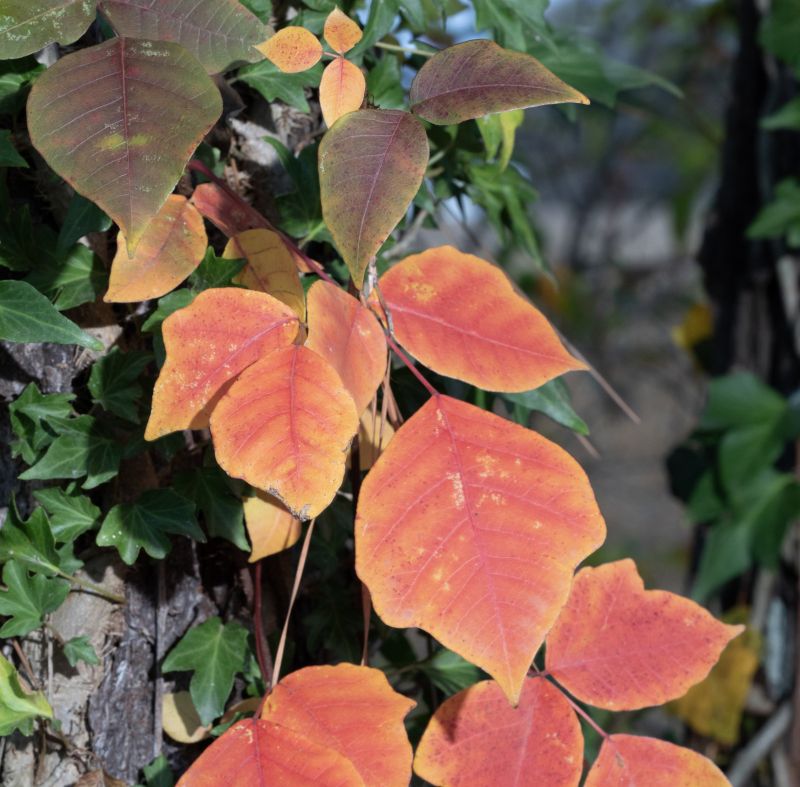
Poison Oak Removal in Burlington County, NJ
Poison oak removal services are designed to safely eliminate this invasive and potentially harmful plant from residential properties. These services typically cover a range of projects, including clearing overgrown areas, managing landscape renovations, and maintaining outdoor spaces to prevent the spread of poison oak. Property owners usually want to understand the methods used for removal, the safety precautions involved, and whether the process can be completed without damaging surrounding plants or landscaping features.
Before requesting poison oak removal, homeowners should consider the extent of the plant growth and its location on the property. It’s important to identify areas where poison oak poses a risk, such as near play zones, walkways, or garden beds. Clarifying whether the removal process includes disposal of the plants and the potential need for follow-up treatments can help ensure the project meets safety and aesthetic expectations. Proper removal helps reduce the risk of skin irritation and prevents the plant from spreading further across the property.
Many property owners in Burlington County, NJ look into Poison Oak Removal for repairs, replacements, upgrades, and appearance-related improvements.
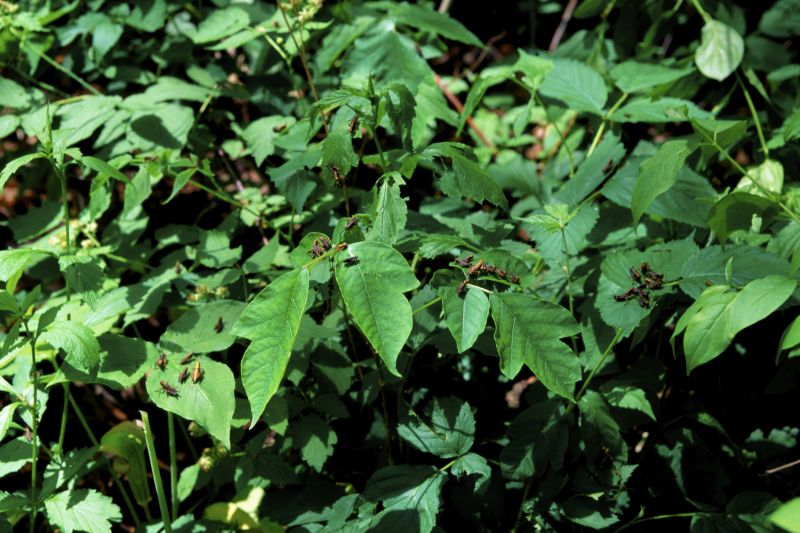
Poison Oak Removal For Residential Properties
Removing poison oak helps protect families and pets from skin irritation and allergic reactions.
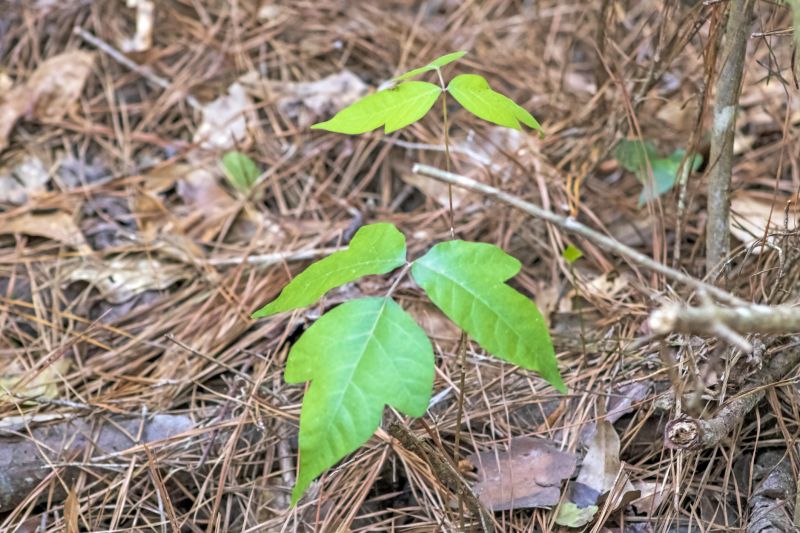
Commercial Property Poison Oak Clearing
Ensuring commercial landscapes are free of poison oak reduces liability and creates a safe environment for employees and visitors.
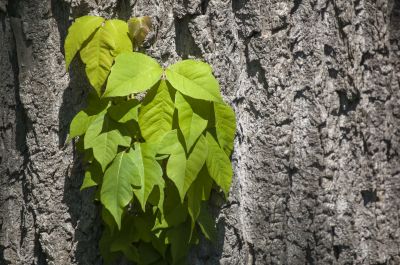
Preventative Poison Oak Management
Regular maintenance and monitoring can prevent poison oak from spreading on properties in burlington county and nearby areas.
Poison Oak Removal in Burlington County, NJ
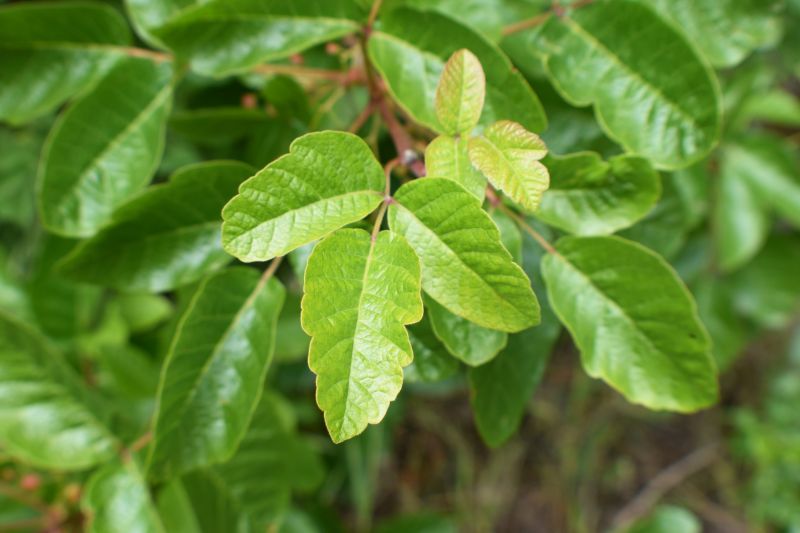
Poison oak removal services are designed to safely eliminate this invasive and potentially harmful plant from residential properties. These services typically cover a range of projects, including clearing overgrown areas, managing landscape renovations, and maintaining outdoor spaces to prevent the spread of poison oak. Property owners usually want to understand the methods used for removal, the safety precautions involved, and whether the process can be completed without damaging surrounding plants or landscaping features.
Before requesting poison oak removal, homeowners should consider the extent of the plant growth and its location on the property. It’s important to identify areas where poison oak poses a risk, such as near play zones, walkways, or garden beds. Clarifying whether the removal process includes disposal of the plants and the potential need for follow-up treatments can help ensure the project meets safety and aesthetic expectations. Proper removal helps reduce the risk of skin irritation and prevents the plant from spreading further across the property.
Many property owners in Burlington County, NJ look into Poison Oak Removal for repairs, replacements, upgrades, and appearance-related improvements.
Common Poison Oak Removal Jobs
Poison Oak Removal - Safely eliminates poison oak from residential landscapes to prevent skin irritation.
Yard Clearing - Clears overgrown areas to improve safety and appearance around the property.
Brush and Shrub Removal - Removes dense brush and shrubs that may harbor poison oak.
Property Maintenance - Maintains a healthy, poison oak-free yard through regular removal services.
Vegetation Control - Manages invasive plants to protect the landscape and reduce poison oak growth.
Hazard Mitigation - Reduces risks associated with poison oak exposure in outdoor spaces.
Poison Oak Removal Questions
What is poison oak removal? Poison oak removal involves safely eliminating the plant to prevent skin irritation and property damage.
Why should poison oak be removed? Removing poison oak reduces the risk of skin rashes and prevents the plant from spreading in the landscape.
What types of projects require poison oak removal? Common projects include clearing overgrown areas, preparing land for landscaping, or maintaining safety around trails and yards.
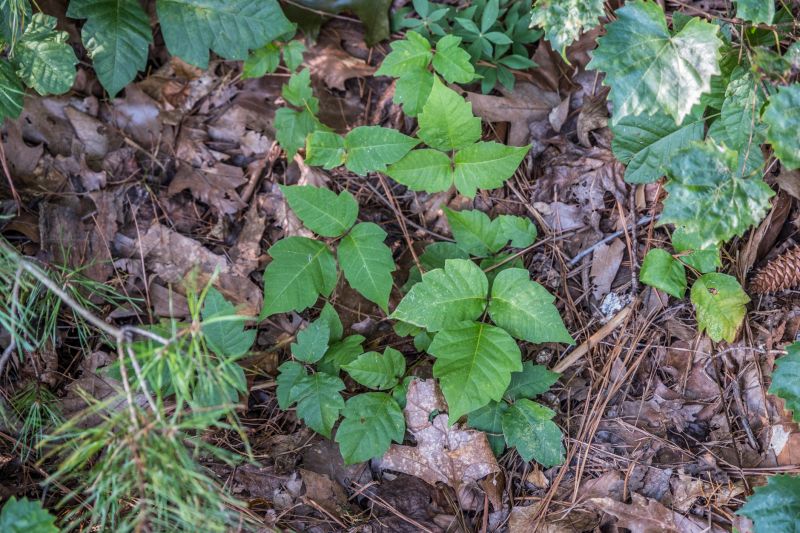
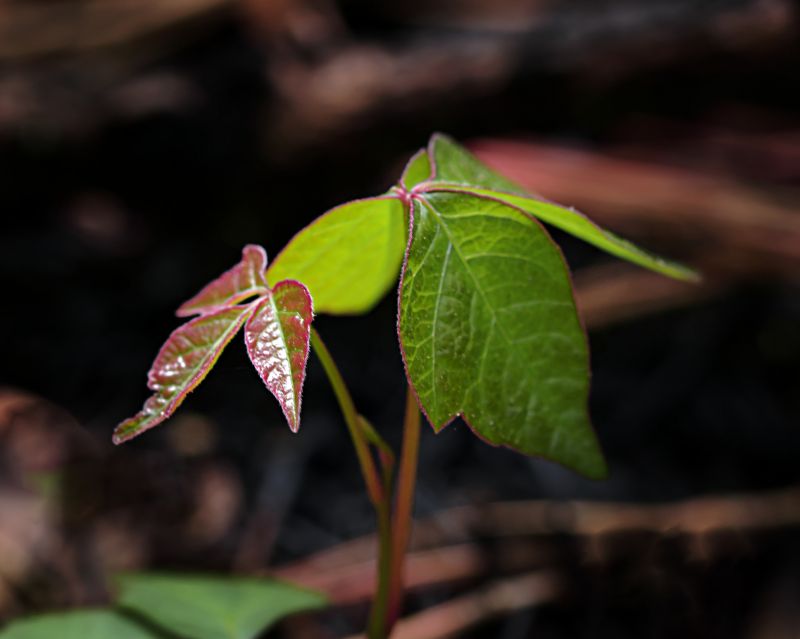
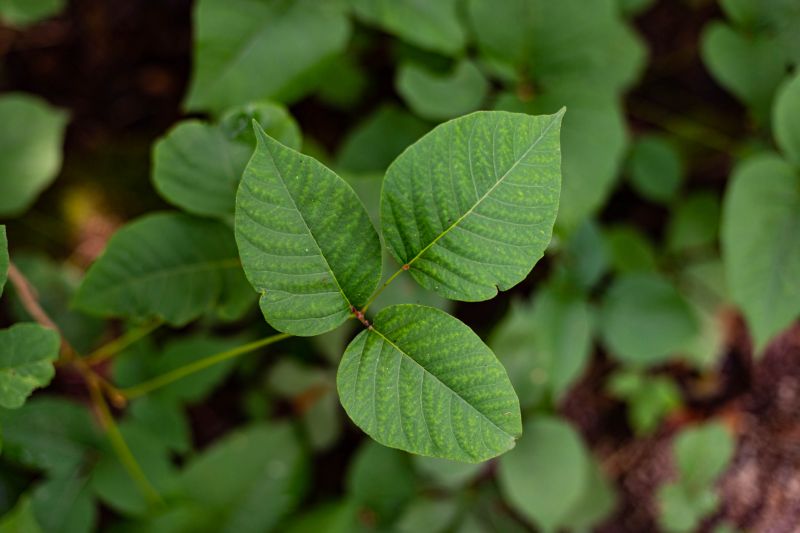
How can property owners identify poison oak? Poison oak typically has clusters of three leaflets with a glossy surface and can grow as a shrub or vine.
Request Poison Oak Removal in Burlington County, NJ
Use the quote form on this page to share the basics of your project and request more information for the type of work you need.